Understanding Gutenberg Editor More Deeply
To truly understand modern WordPress development, firstly need to deeply understand Gutenberg. Because Gutenberg is no longer “just a content editor.”
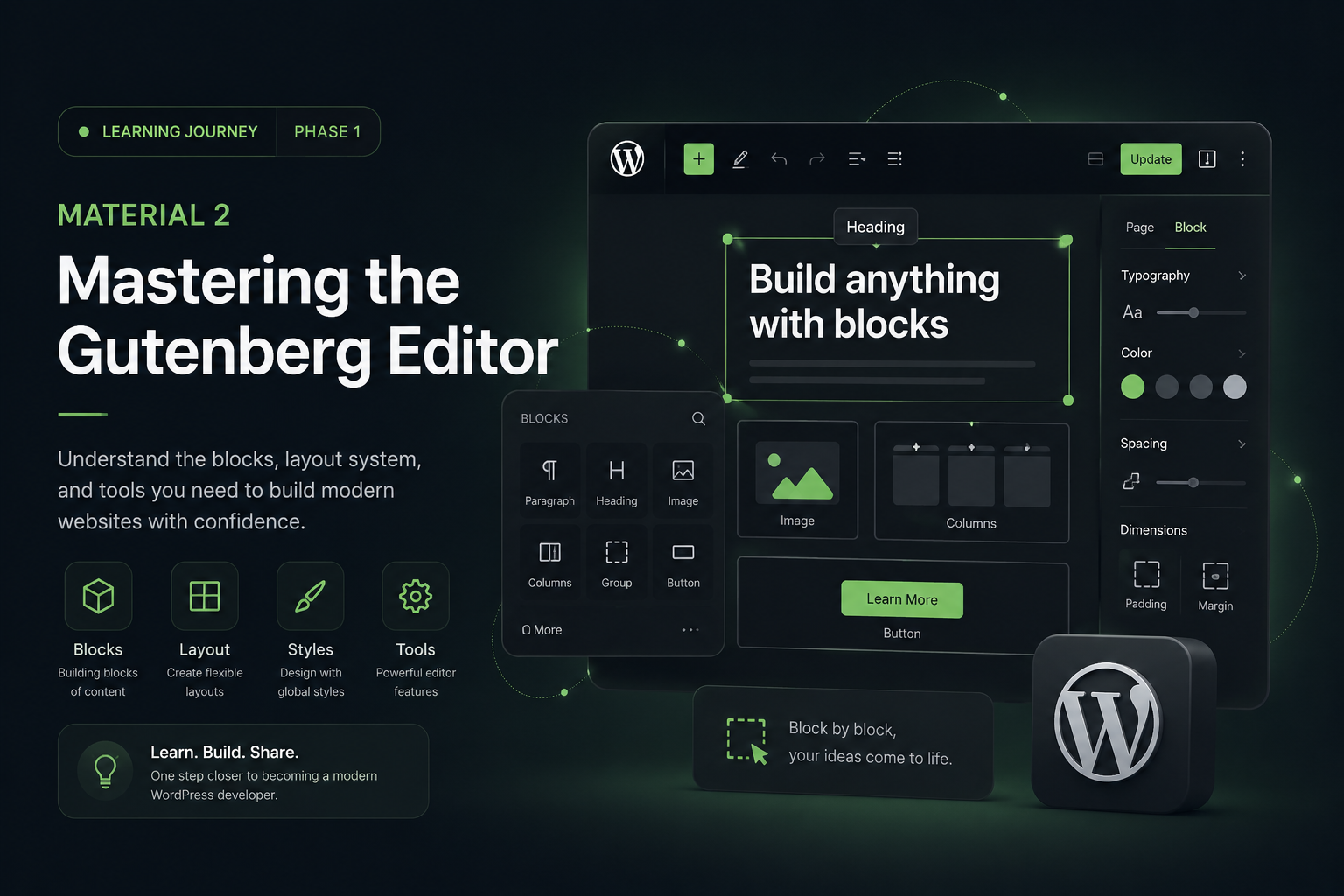
Why I started exploring
Gutenberg is no longer just a content editor. With block themes and full site editing, the entire site — header, footer, templates — is composed from the same building blocks you use to write a post. That changes everything about how you approach layout.
The block-based mindset
Instead of thinking in pages, you start thinking in patterns. A hero section, a callout, a pricing grid — each one is a reusable block you can register, style, and drop anywhere. Combined with theme.json, design tokens live in one place instead of being scattered across a builder's hidden style controls.
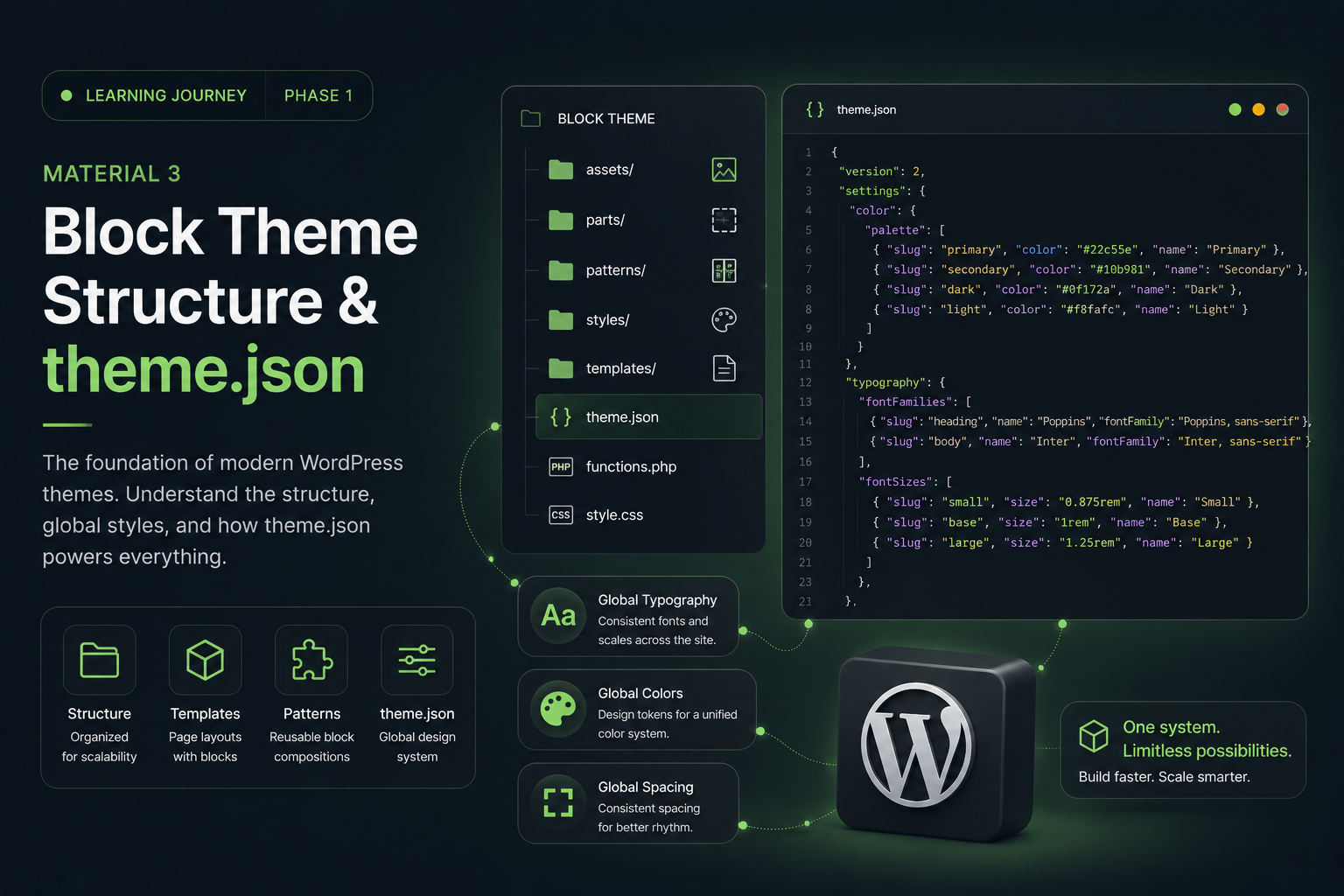
{
  "version": 2,
  "settings": {
    "color": { "palette": [...] },
    "typography": { "fontFamilies": [...] }
  }
}
What changed for me
It's not about abandoning tools — it's about understanding the architecture underneath them. The deeper I go, the more I believe Gutenberg has huge potential for the future of modern WordPress workflows.

Keep Reading
Building Layouts Without Elementor
the deeper I explore Gutenberg, the more I feel it has huge potential for the future of modern WordPress workflows.
Understanding Block Theme Structure & theme.json
After spending time learning Gutenberg and block-based workflows, I finally reached a point where modern WordPress started feeling completely different from traditional WordPress.
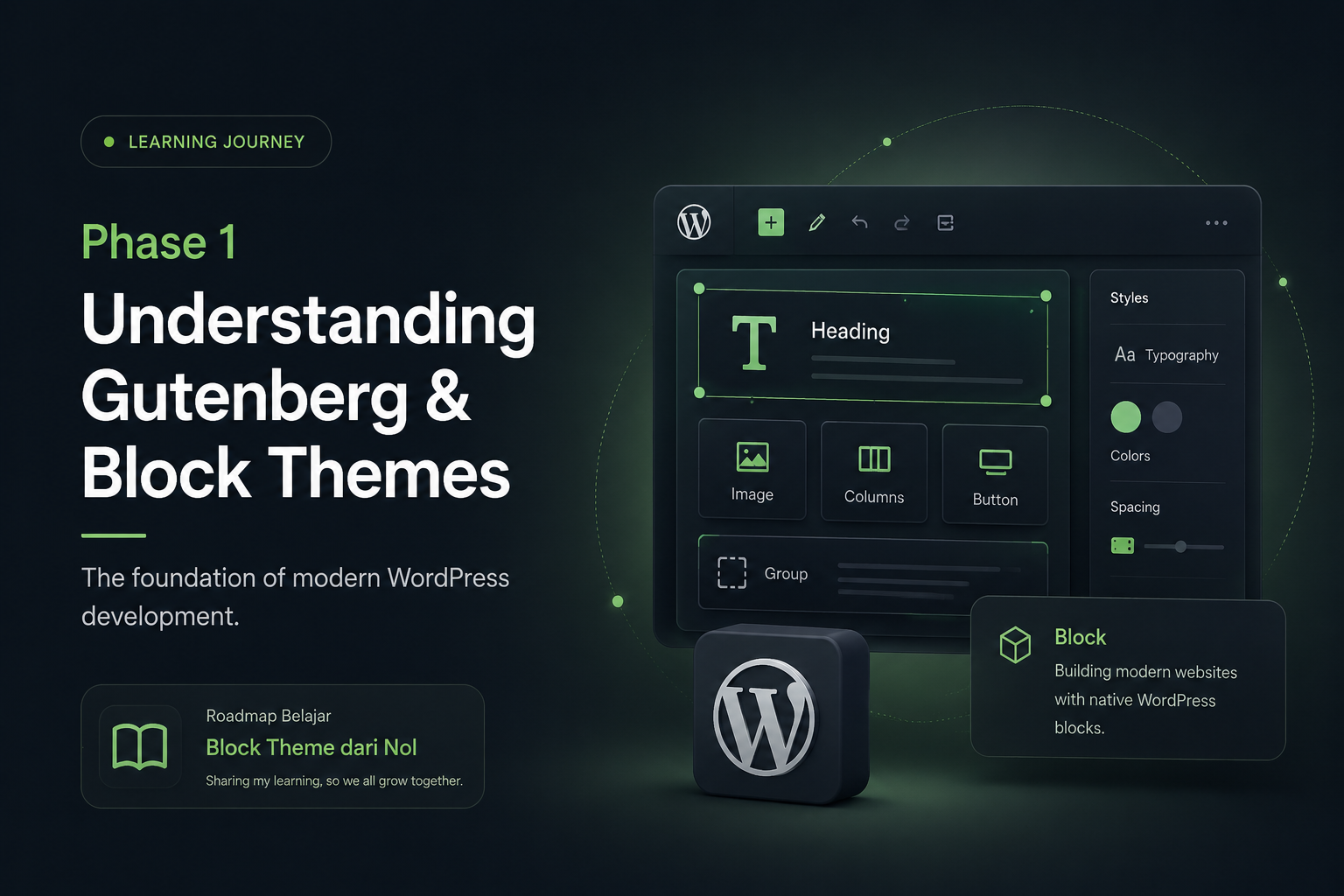
Understanding the Philosophy Behind Gutenberg & Modern WordPress
Like many other WordPress developers and designers, I was used to building websites through drag-and-drop builders because they were fast, flexible, and visually convenient.